

There is more to buying or developing a commercial property than its purchase price. A developer or investor has to know what they are getting into before they sign for a site. That means the condition of the existing building, the site around it and sometimes the buildings next door.
A commercial building condition report provides NSW developers, owners and lenders with a documented snapshot of that condition at a point in time. It is a different exercise to the pre-purchase inspection most people know from buying a home, and it serves a different purpose.
What Is a Commercial Building Condition Report?
A commercial building condition report is a written statement of the visible condition of a commercial building or development site as of a specific date. It records visible defects, deterioration and maintenance issues, supported by photographs, and identifies areas that need further specialist investigation. Its scope is determined by the purpose of the report.
The report is usually based on a visual, non-invasive inspection of the areas that can be safely accessed. That makes the date of the inspection, the areas inspected and the areas not inspected as essential as the findings themselves.
It is usually used by developers, commercial property owners, buyers, asset managers, lenders and project managers. Each can have a distinct scope. A buyer wants to know liabilities, a developer needs a baseline before works and an asset manager may want to plan maintenance.
This scenario is where commercial reporting differs from residential inspection. Residential pre-purchase inspections are generally performed to AS 4349.1-2007, the Australian Standard for pre-purchase inspections of residential properties. That standard is written for houses. The general building inspection Standard AS 4349.0-2007 sets out minimum requirements such as agreeing the purpose and the scope of an inspection, but a commercial report is still scoped around the asset, the transaction and the project.
Why Do Developers Need a Building Condition Report?
There is no NSW law that requires a condition report for every commercial transaction or development. Usually the need comes from the decision you have to make, or a contract, a lender or a condition of development consent. Scope should be driven by purpose.
The most common reasons are:
- Acquisition due diligence. Understand visible defects and potential short-term spending before you agree on a price.
- Development potential. Deciding whether to keep, refurbish or demolish existing structures.
- Refurbishment planning. Identifying parts that may need repair or replacement.
- Pre-construction records. Recording the current condition of the site and adjoining property before works start.
- Risk identification. Identifying issues that need a structural engineer, hazardous materials assessor or other specialist.
- Lender due diligence. Some funders, lenders or funding arrangements may request information for property-condition or technical due-diligence.
When Should You Get a Condition Report?
It depends on the project stage and the type of report needed.
Before buying the property
A condition report can be produced for an existing commercial building to record visible defects, deterioration and maintenance issues. Typical items are the roof, external walls, windows, evident water penetration, services and finishes and site infrastructure such as paving and drainage.
It will not catch every defect. It can tell you the observable condition and where to look deeper before exchange, while there is still room to negotiate or walk away.
During due diligence in development
The questions are different on a development site. You may wish to record existing structures, visible services and the condition of adjoining buildings, hardstand and access areas and retaining walls. The scope is based on what you want to build and how close the works are going to be to the boundaries.
Where the existing building is a workplace and was constructed before 31 December 2003, an asbestos register is generally required under the NSW WHS Regulation. Ask for it early, as it affects demolition scope and cost. Archi-QS also produces asbestos registers and management plans.
Prior to demolition or excavation
This is when a documented baseline matters most. Before machinery arrives, existing cracks, settlement indicators, water damage, damaged finishes, paving, fences, retaining walls and adjoining structures can all be recorded.
That record does not prevent disputes. It provides contemporaneous evidence of pre-existing issues, making it easier to separate existing damage from damage caused by the works.
Before works near adjoining properties
If works may affect nearby buildings or public infrastructure, a dilapidation report is usually the appropriate report. NSW councils can make this a condition of development consent. For example, North Sydney Council’s consent conditions have required a dilapidation survey of adjoining properties and public infrastructure before a Construction Certificate is issued. Check your own consent conditions, as requirements differ.
Prior to significant renovation
When refurbishing an existing commercial building, condition information helps identify deterioration, items likely to need repair and areas that need specialist inspection. Those results can change the scope of work, and scope is a driver of cost.
When looking for finance
Requirements vary by lender, loan structure, asset type, development, risk profile and project stage. Construction lenders will often have their own quantity surveyor to report on a project’s cost before releasing finance. Archi-QS prepares Construction Finance Initial Reports for lenders. Whether you also need a separate condition report is a question for your lender.
What Is Included in a Commercial Condition Report?
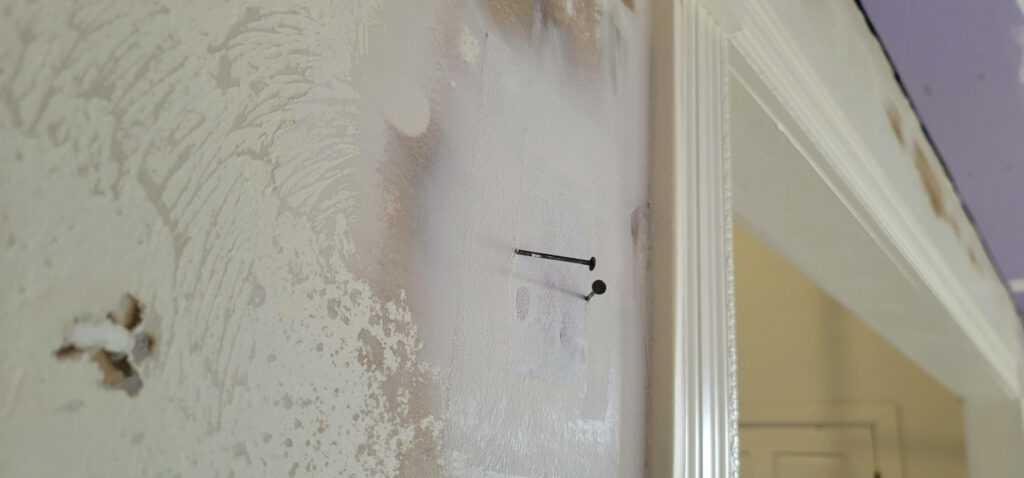
The specific contents will vary by brief, but a well-scoped commercial report will normally cover the categories below. Each finding should have a location and photo attached.
- Property description: Address, building type, apparent use, date of inspection, weather, areas inspected and areas not inspected.
- External areas: Facades and external walls, roof elements where safely accessible, windows and doors, paving, drainage observations, fences, retaining walls and external structures.
- Internal areas: Walls, ceilings, floors, doors and finishes, visible water damage, signs of deterioration and visible defects.
- Building services: The condition of the visible mechanical plant, the electrical infrastructure, the plumbing fixtures, the fire services and the lifts, and where specialist testing may be necessary.
- Site and development: Existing structures, access, site boundaries, retaining structures, adjoining properties, evident site damage and areas likely to be affected by proposed works.
- Recommendations: Items for monitoring or repair, and matters referred for specialist investigation.
Note the line for “areas not inspected”. If there was a locked plant room, an unsafe roof or a tenanted floor that could not be entered, it is a gap in your due diligence and the report should say so clearly.
Archi-QS produces building condition reports that include photographic evidence, descriptions of observed condition and prioritised findings.
What a Condition Report Doesn’t Do
A typical visual condition report should not be treated as any of the following:
- a structural certification or an engineering report
- a building compliance certificate or assessment under the Building Code of Australia
- an asbestos or hazardous materials report
- an environmental or contamination assessment
- a fire safety assessment
- a report on the commissioning or performance of services
- a valuation
- a quantity surveyor’s cost estimate
Fire safety in NSW is a good example. Building owners must have their essential fire safety measures assessed by an accredited practitioner (fire safety) for the annual fire safety statement. If you see a sprinkler head or an exit sign during a condition inspection, that tells you nothing about whether the system works.
Depending on the findings and the project you may need a structural engineer, licensed asbestos assessor, hydraulic or electrical engineer, fire engineer, environmental consultant or a lawyer.
Condition Report vs Building Inspection vs Dilapidation Report
These reports overlap, and the titles are not used consistently across the industry. What matters is the purpose and scope agreed in the engagement.
| Report | The main question it addresses | Typical trigger | Typically produced by |
|---|---|---|---|
| Commercial building condition report | What is the visible condition of this property now? | Refurbishment or asset planning, acquisition, development due diligence | Building consultant or other similarly qualified professional |
| Residential pre-purchase inspection | Are there any major problems with this house that a buyer should be aware of? | Purchase of a house or unit | Building inspector, usually to AS 4349.1 |
| Dilapidation report | What condition was the property in before nearby works began? | Construction, demolition or excavation close to adjoining property or public assets – frequently a condition of consent | Building consultant or engineer, depending on the consent conditions |
| Structural inspection | Are the structural elements performing, and what is causing any distress? | Cracking, movement, alterations or changes in loading | Structural engineer |
| Compliance assessment | Is the building compliant with applicable building and fire safety requirements? | Change of use, upgrades, certification or fire safety requirements | Registered certifier, compliance consultant or fire safety professional |
| QS cost report | What is the estimated cost of the project or works? | Finance, budgeting, feasibility, development applications | Quantity surveyor |
A dilapidation report and a condition report can look similar, with photos and descriptions in both. The difference is purpose. A condition report supports a decision about your own property. A dilapidation report is a baseline, normally of someone else’s property, so pre-existing damage can be distinguished from damage caused by the works. Read your consent conditions carefully, as some specify who must prepare the report and what it must cover. Archi-QS provides pre- and post-construction dilapidation reports.
Condition Report and QS Cost Report
The bottom line:
- Condition report: what’s the condition of the property?
- QS cost report: how much is the project or work expected to cost?
They answer different questions, and a developer buying an older commercial building normally needs both. The questions usually follow this order:
- What is the existing physical condition?
- What refurbishment or remediation is required?
- What’s the probable scope of works?
- What is the projected cost?
- Does the development still stack up?
The condition report answers the first and identifies items for the second. A structural engineer, for example, may need to provide specialist advice to determine what work is actually required. A quantity surveyor can then use the defined scope and project documentation to assist with steps four and five.
A QS does not diagnose structural defects or design repair solutions. A QS prices the defined scope and tests it against the budget.
How Condition Data Can Help Drive Development Cost
Existing condition affects development cost through scope. A defect found on site leads to specialist advice, that advice changes the scope of work, and the change in scope changes the cost.
Deterioration identified late can affect:
- Refurbishment scope: which existing elements need repair or replacement.
- Demolition scope: what can be retained and what has to go.
- Contingency: the allowance needed for latent conditions.
- Feasibility: whether the project still meets its budget and return.
Timing matters. Findings made before exchange can still shape the price, the scope and the decision to proceed. The same findings after settlement leave far less room to act.
A condition report does not determine feasibility on its own. It is one input alongside planning controls, engineering advice, market evidence and cost advice. When you are ready to test the numbers, early-stage building cost planning brings the whole development cost into view, including demolition, excavation and latent condition allowances.
Questions Developers and Financiers Should Ask Before Ordering a Report
Agree scope in writing before inspection. These questions cover most commercial briefs.
- Who is the report for and how will it be used?
- Which structures, levels and areas will be inspected?
- Does it cover neighbouring properties or public assets?
- Is there safe roof access?
- Are basements, risers and plant rooms included?
- Are services only visually inspected, or is testing needed?
- Is a structural engineer needed?
- Is an asbestos or hazardous materials assessment needed?
- Are there any invasive investigations?
- What documentation, drawings and maintenance records will be supplied?
- Which areas are excluded?
- Will there be photos, and will they be linked to locations?
- Does the report meet the stated needs of the lender or project?
When to Call a Quantity Surveyor
When you need to turn scope into cost, engage a quantity surveyor. That includes:
- feasibility and cost planning for acquisition or redevelopment
- the cost consequences of specialist findings on refurbishment or remediation
- Estimated Development Cost for a development application
- construction cost reporting and lender reporting during delivery.
A QS works from a defined scope and documentation. Where the scope depends on a structural or services question, that advice should come first.
Frequently Asked Questions
Do you need a condition report to buy commercial property in NSW?
It is not legally required in every situation. It is a sensible part of due diligence for most older buildings, and a contract, lender or investment committee may ask for one.
Do lenders need commercial building condition reports?
It depends on the lender, the structure of the loan, the type of asset and its risk profile. Some will. A separate report is often prepared by a quantity surveyor appointed by the construction lender to report on cost and progress. Confirm with your lender before ordering whether it is required.
What’s the difference between a condition report and a dilapidation report?
A condition report helps you make decisions about your own property. A dilapidation report records the existing condition, often of adjoining property, before nearby works start, so that any damage can be measured against a baseline.
Is a condition report a structural survey?
No. A condition report records what can be seen. A structural inspection is carried out by a structural engineer, who assesses structural performance and the cause of any distress.
What needs to be checked before works start?
The site and existing structures, retaining walls, paving, fences, access routes, and adjoining buildings and public infrastructure that may be affected by the works. Your consent conditions may set specific requirements.
Can a QS do a building condition report?
Yes. Quantity surveying practices such as Archi-QS prepare building condition reports. What counts is that the inspector’s experience suits the scope, and that structural, fire and hazardous materials questions are directed to the right specialists.
Can a condition assessment help estimate refurbishment costs?
It can inform the scope. Once the required work is defined, a quantity surveyor can estimate the cost.
How much does a commercial condition report cost, and how long does it take?
It depends on the size of the building, number of buildings, access, specialist input and the report format required. Archi-QS will quote once it understands the property and the purpose of the report.
Building Condition Reports and What Comes Next
A commercial building condition report provides a documented snapshot of a property’s observable condition at a point in time. It is one part of wider due diligence for developers and investors, alongside engineering, planning, legal and cost advice. For projects involving refurbishment, redevelopment or construction, condition information also affects scope, and scope affects cost.
If you are assessing a commercial property or development site in NSW, send Archi-QS the site details and the purpose of the assessment. We can scope a condition survey for that purpose and, where it helps, take the findings through to cost planning.