
Registered design practitioner for regulated building work.
Do you need a registered design practitioner in NSW?
Our team of registered design practitioners prepare regulated designs and design compliance declarations for eligible Class 2, Class 3 and Class 9c building projects under the applicable NSW requirements.
What is a design practitioner?
Under section 3(1) of the Design and Building Practitioners Act 2020 (NSW) (“DBP Act”), a design practitioner is a person who prepares regulated designs.
For regulated building work in NSW, a registered design practitioner prepares the relevant regulated designs and, where required, makes design compliance declarations confirming that the designs follow the applicable requirements, including the National Construction Code.
Regulated designs may cover building structure, fire safety systems, waterproofing, building enclosure, services and performance solutions.
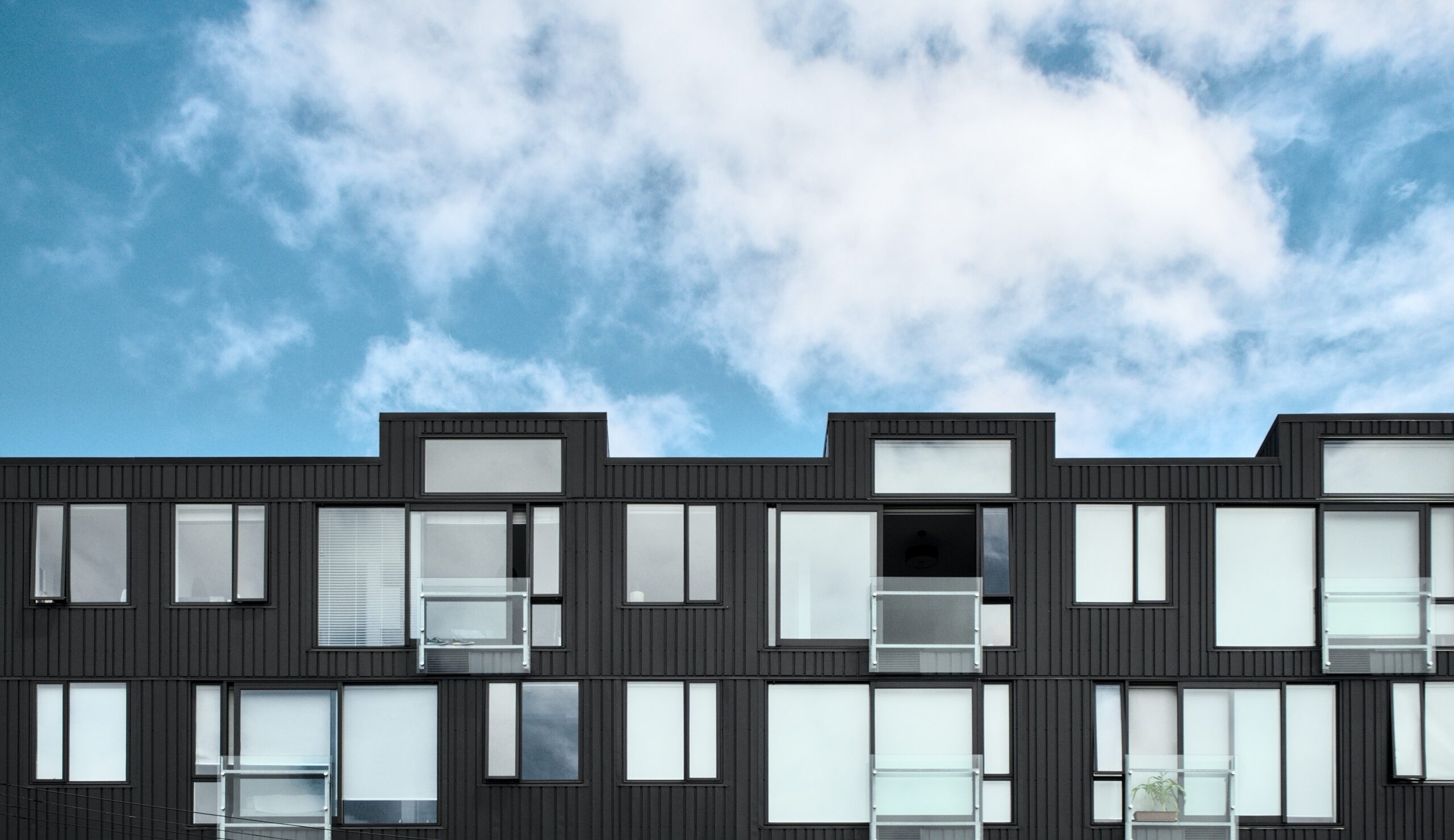
Design practitioner registration in NSW
Certain regulated building work in NSW must follow the Design and Building Practitioners Act 2020 (NSW). Where the DBP Act applies, properly registered design practitioners in the state must prepare design work.
At Archi-QS, we support your project through:
Fully registered practitioners in NSW, with active and valid registrations in various specialised classes.
Only allocate practitioners whose specialisation matches the project requirement.
Mandatory annual training for team members to keep up with the evolving regulations.
Who needs a design practitioner?
If you’re developing a building involving regulated building work in NSW, you may need to appoint a registered design practitioner to prepare regulated designs and make the required design compliance declarations for regulated building work.
Regulated designs refer to designs relating to a building element or the development of a performance solution for regulated building work on a regulated building that include:
Class 2 buildings
such as apartments and apartment buildings
Class 3 buildings
such as certain shared accommodation buildings, including hostels
Class 9c buildings
such as aged-care buildings
Mixed-use buildings
that include a Class 2, 3 or 9c part
There are various registration classes and areas of practice for design practitioners. Each category is allowed to provide compliance declarations for specific types of regulated designs. This means each project may require several registered design practitioners working together, and it’s important that they integrate their designs instead of working in isolation.
When do you need one?
You may need a registered design practitioner if:
You are a builder or developer about to start regulated building work involving a building element or a performance solution. A registered design practitioner must prepare the relevant regulated design and design compliance declaration (where required).
Your architect or designer is not registered for the relevant NSW design practitioner class or area of practice. For regulated design work, the design practitioner must hold the appropriate NSW registration.
You change a building element or performance solution after work has started. If the change affects regulated work, an updated or new regulated design and design compliance declaration may be required before the affected work continues.
You are an owners corporation carrying out regulated remedial building work. Since 1 July 2021, remedial building work on a Class 2 building, including certain work to common property, has been subject to the DBP requirements.
You want to avoid compliance issues and construction delays. Our Design Practitioners take responsibility for the compliance of their regulated designs and how their designs integrate with other regulated designs. This helps identify design and compliance issues before they arise.
Not sure if your project needs a Registered Design Practitioner? We can help you find out.
Book an obligation-free consultation with our experts.
Design practitioner responsibilities
Design practitioner responsibilities are laid down in the DBP Act. A design practitioner is responsible for the regulated design work that falls within their area of registration, rather than every design or decision on a project.
The table below summarises the key responsibilities a Design Practitioner may have on a project.
| Responsibility | What it involves |
|---|---|
| Preparing regulated designs | Preparing regulated designs for building elements or performance solutions within their specific area of registration. |
| Design compliance | Ensuring the regulated designs follow the Building Code of Australia and other applicable rules. |
| Design integration | Ensuring the design integrates with other relevant regulated designs and building work. |
| Design compliance declarations | Providing a design compliance declaration when providing a regulated design for use in building work. |
| Design variations | Providing a design compliance declaration when a regulated design is varied after the work has begun and involves a building element or performance solution. |
| Records and documentation | Keeping copies of regulated designs and design compliance declarations, as required under the applicable laws from time to time. |
Design and Building Practitioners Act: what does it mean for your project?
If the DBP Act applies to your project, it has implications at all stages of the project.
Pre-construction
You need registered design practitioners to prepare the relevant regulated designs and make the required design compliance declarations. The building practitioner must lodge the regulated designs and compliance declarations on the NSW Planning Portal before the relevant building work begins. You generally can’t get a construction certificate for regulated work without the required declared designs.
During construction
If there’s any variation involving a building element or performance solution, the Design Practitioner must prepare a new or varied regulated design and compliance declaration before the varied work can continue. The building practitioner must lodge the relevant documents on the NSW Planning Portal.
Post-construction
Before applying for an occupation certificate, the building practitioner must lodge the required building compliance declaration and final regulated designs. The certifier cannot issue the occupation certificate until the required compliance declarations have been lodged.
Registered practitioners must keep the required compliance declarations, regulated designs and related project records for at least 10 years from the date the building work is completed.
At what stage of the project should you appoint a Design Practitioner?
It’s worth appointing a Design Practitioner as early as possible, during the design stage and before you begin construction.
If you wait until the construction is about to start, you may not have enough time to complete the required designs, declarations and lodgement process.
How does the design compliance process work?
Understand the project, identify what the NSW framework requires of it, then document and evidence the design accordingly. The steps below outline how an Archi-QS engagement typically progresses.
Project Assessment
Understand the project type, scope and the relevant NSW requirements that may apply.
Identify Design Requirements
Determine whether regulated design work is involved and identify the applicable practitioner requirements.
Design Review & Documentation
Review and coordinate relevant design information within the agreed professional scope.
Compliance & Declarations
Address applicable compliance documentation, declarations or certification requirements.
Final Documentation
Maintain appropriate records and documentation for the project.
Design Practitioner services by Archi-QS
Archi-QS is registered under the Design and Building Practitioners Act 2020 (NSW) as a Design Practitioner in the class of Building Design (Medium Rise).
Under the DBP scheme, a medium-rise building is a Class 2, 3 or 9c building of no more than 3 storeys, or no more than 4 storeys where the ground level or first storey is a Class 7a carpark. This registration allows us to prepare and declare regulated designs within this scope.
Regulated design documentation
Preparation of regulated designs and the associated design compliance declarations, lodged through the NSW Planning Portal in accordance with the DBP Act and the Building Code of Australia.
Waterproofing design and detailing
Regulated designs for waterproofing to balconies, planter boxes, roofs, podiums, wet areas and basements, which is the largest single source of building defects in NSW strata.
Progress inspections and monitoring
Inspection during construction to confirm the work is being built in accordance with the declared regulated design and the associated documentation.
These services sit alongside our broader building consultancy and cost planning work, allowing us to consider design compliance in the context of the wider project.
Need a design practitioner for your project? Contact Archi QS
Why choose Archi-QS as your Design Practitioner?
Registered professionals
We are registered under the Design and Building Practitioners Act 2020 (NSW) as a Design Practitioner in the class of Building Design (Medium Rise). This registration allows us to prepare and declare regulated designs within our registered scope.
Regular training sessions
Our team completes regular training to stay up to date with changes to legislation and applicable frameworks.
NSW compliance knowledge
Our team has complete knowledge of the NSW compliance framework, ensuring your projects don’t hit any roadblocks from a safety or compliance point of view.
Coordinated project support
We can prepare the regulated design, scope of works and cost estimate for the same remedial project, and feed the results directly into the scheme’s capital works fund plan. This allows the design, scope, budget and levy forecast to align, rather than having three separate consultants produce them independently.
Who can benefit from Design Practitioner Services?
Design Practitioner requirements affect more than the design team. These are the project stakeholders who most often need clarity on them.
Developers
Factor design and compliance requirements into programme and budget early.
Builders
Build from design documentation that is clear, current and consistent with what has been declared.
Building Owners
Understand what the framework expects of your project and what documentation should exist at completion.
Project Managers
Coordinate design responsibilities and compliance documentation across consultants and contractors.
Architects & Design Professionals
Clarify where design responsibilities sit and how regulated design work is documented and evidenced.
Other Project Stakeholders
Financiers, strata stakeholders and advisers assessing a project’s design compliance position.
Design practitioner requirements at a glance
Who is a design practitioner
A registered design practitioner in NSW is a qualified professional who prepares regulated building designs for relevant building work and makes design compliance declarations confirming that the designs follow the Building Code of Australia and other applicable requirements.
Who needs a design practitioner
If you’re developing a regulated building in NSW (this may include multi-unit apartments, shared residences and aged care facilities), you may need to hire a design practitioner for your project.
Choosing the right design practitioner
Each design practitioner can only prepare and declare regulated designs within their registered category and scope. A project may therefore require different design practitioners for different aspects of the design.
When should you appoint a design practitioner
If your project needs a design practitioner, hiring them at an early stage can prevent future road-blocks and delays.
FAQs
Does a design practitioner need to be registered?
No, only the design practitioner who makes the design compliance declaration for a regulated design needs to be registered. Other designers can work on the design under the supervision of the registered practitioner.
If there are multiple design practitioners working on a project, each practitioner who makes a design compliance declaration must be registered and authorised to declare that type of regulated design.
What is the Design and Building Practitioners Act or DBP Act?
The Design and Building Practitioners Act 2020 (NSW) is a law that sets out registration, compliance and declaration requirements for professionals involved in the design and construction of certain buildings in NSW.
The DBP Act applies to regulated buildings, including multi-unit residential buildings, certain shared accommodation buildings and aged care facilities. It aims to improve accountability and compliance and reduce building defects.
Does my project require a design practitioner?
If your project requires designs related to a building element or the development of a performance solution on a regulated building in NSW, you may need to appoint a registered design practitioner.
Can Archi-QS act as a design practitioner?
Yes, Archi-QS is registered under the Design and Building Practitioners Act 2020 (NSW) as a Design Practitioner in the class of Building Design (Medium Rise).